
San Mateo County · Pacifica
Pacifica Real Estate
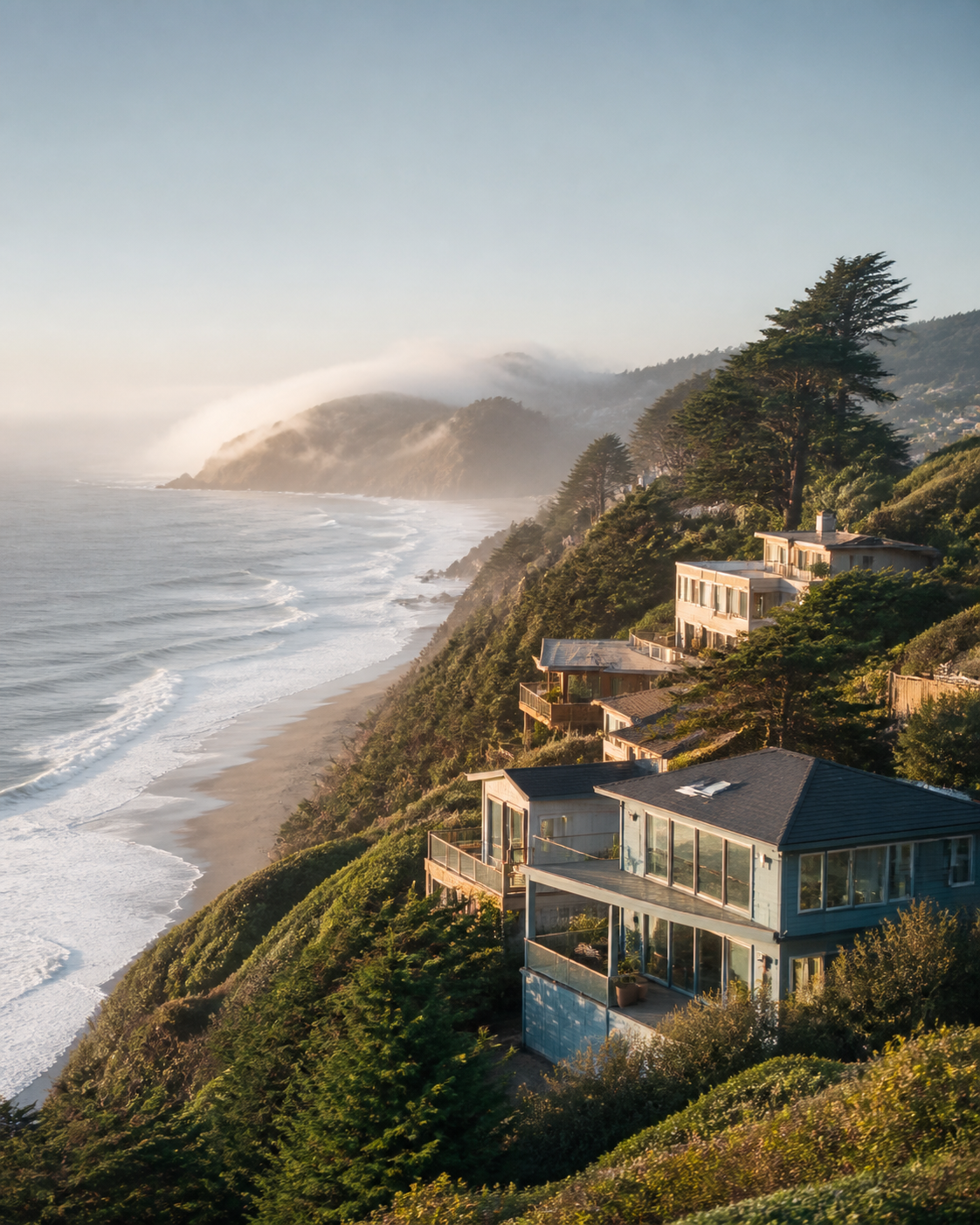
Pacifica sits on the Pacific side of the hills, a short drive from San Francisco but an entirely different environment. Ocean air, working beaches and a string of distinct coastal neighborhoods set it apart from the rest of the Peninsula.
The coast side
Pacifica is strung along the ocean rather than built around a single downtown. It's made up of distinct districts—Linda Mar, Rockaway Beach, Sharp Park, Fairmont, Park Pacifica, Pedro Point and Vallemar—each with its own feel, from beach-flat flatlands to hillside streets tucked into eucalyptus and brush. The hills rise directly behind the beaches, so most neighborhoods read as valley, slope or ridge rather than a uniform grid.
Highway 1 threads the city north to south and continues through the Devil's Slide tunnels toward Montara and Half Moon Bay, putting the rest of the San Mateo County coast within easy reach. The weather here is genuinely different from the inland side of the ridge: more wind, more fog, and cooler summers, even when it's warm a few miles east.
Life in Pacifica leans toward the outdoors—the surf breaks, the beaches themselves, and open space at Mori Point and Sweeney Ridge, both offering trails above the water with views back down the coast.
The housing stock
Pacifica's homes are predominantly post-war single-family houses, many built in the 1950s and 60s, arranged in valley neighborhoods and up hillsides across the city's districts. A smaller number of ocean-facing and bluff properties sit closer to the water, alongside some townhouses and condominiums.
Valley lots tend to be flatter and more sheltered, hillside lots trade flat yard space for view potential and more exposure to wind, and bluff-adjacent parcels sit closest to the ocean itself, where land stability and setback questions matter most.
Proximity to the ocean means real exposure to wind-driven salt air, which accelerates wear on exteriors, windows and exposed metalwork over time. Homes closer to the water or higher on an exposed ridge typically show this more than those in a sheltered valley.
Because the city is built into valleys running down to the coast, the direction a lot and its windows face changes how much natural light a home gets through the day, and how exposed it is to fog and wind off the water.
An actual ocean view and a simply ocean-adjacent position are different things worth separating clearly when comparing properties—elevation and sightlines matter as much as straight-line distance to the water.
Coastal due diligence
Buying on the coast brings a few extra questions worth working through carefully. This is general guidance, not legal advice—Ramon's role is helping a buyer line up the right specialists for each one.
-
01
The disclosure package
Review the full disclosure package for a coastal property closely, including any coastal, geologic or drainage reports that come with it, rather than skimming for a summary.
-
02
Hazard disclosure vs. conclusion
A hazard disclosure identifies that a type of risk exists in the area. It is not the same as a conclusion about a specific property, which usually requires a qualified professional to assess.
-
03
Insurance, early
Coastal location can affect insurance options and underwriting. Getting quotes early in the process, before relying on a closing timeline, avoids surprises later.
-
04
Ongoing maintenance
A house exposed to salt air carries different upkeep expectations for exteriors, windows and metalwork than one further inland. Factor this into ownership planning from the start.
-
05
Coastal jurisdiction
Additions and exterior work on coastal properties can fall under additional jurisdiction. It's worth understanding what that means for a specific property before counting on a future project.
None of this is a substitute for the relevant specialists—inspectors, insurers and the appropriate permitting authority. Ramon helps buyers line up the right ones at the right time.
Nearby

San Francisco
City density, transit and nightlife versus Pacifica's quieter, car-oriented coastal pace—a genuinely different day-to-day rhythm a short drive apart.
View San Francisco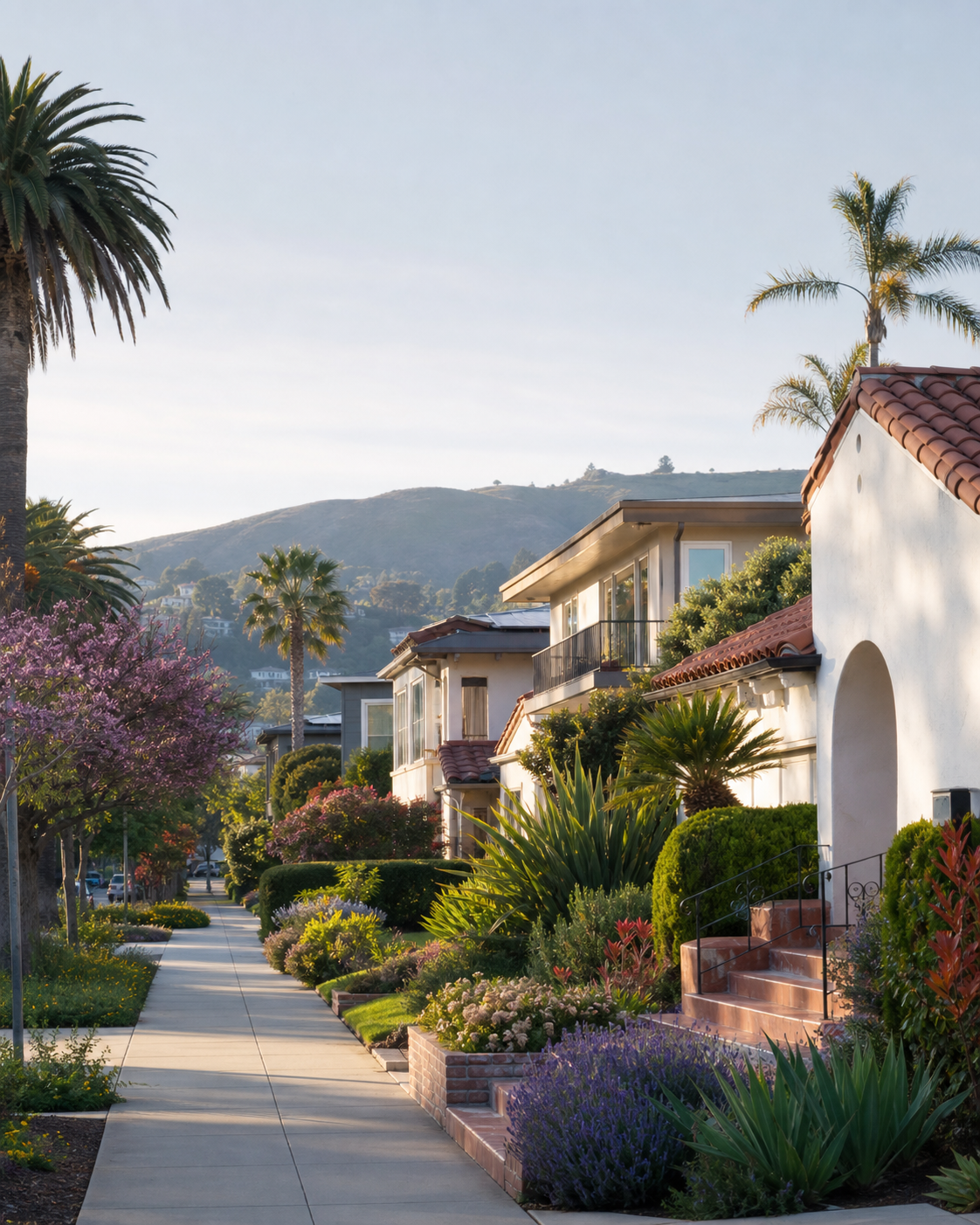
San Mateo
Inland Peninsula living with warmer, sunnier weather and a central commute location, trading ocean air and fog for a milder, more consistent climate.
View San Mateo