
San Francisco, California
San Francisco Real Estate
San Francisco is not one housing market but several dozen, each with its own stock, its own pace and its own buyers. This page is where to start, whether you are searching the city block by block or deciding what your property is worth on it.
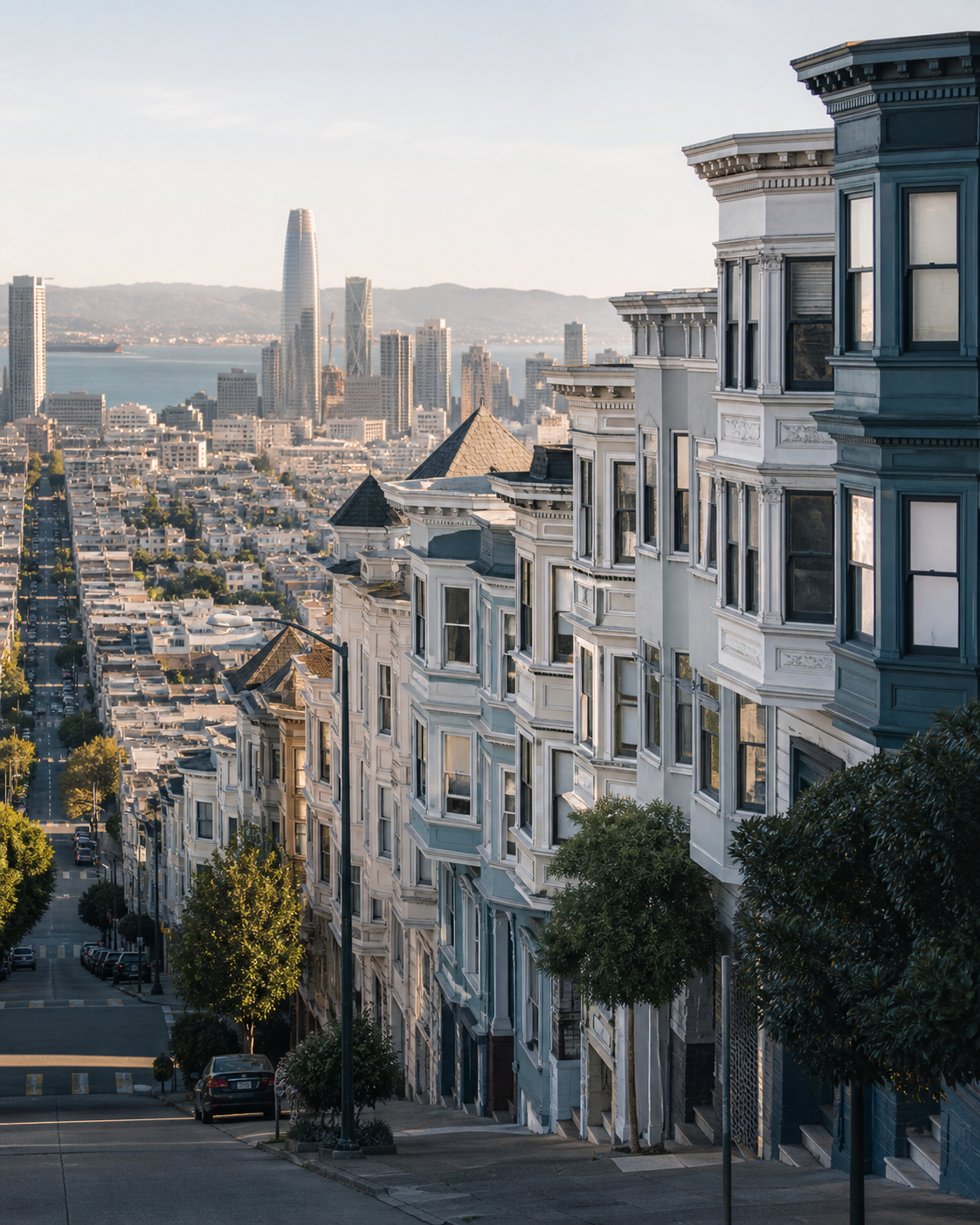
Serving the city and the greater Bay Area.
The character of the market
A city of neighbourhoods that behave like separate markets
San Francisco is small enough to cross in half an hour and varied enough that two homes a mile apart can trade on entirely different logic. Buyers who treat the city as one market tend to misread both of them.
The housing stock explains much of it. Large parts of the city are Victorian and Edwardian flats, often two to four units in a single building, converted and reconverted over a century. The west side is weighted toward mid-century single-family homes on regular lots. The east side carries most of the newer construction and the converted industrial buildings, where condominiums dominate.
Within that stock, value does not track square footage the way it does in most American cities. Condition, natural light, where a house sits on its hill, and whether it has usable parking will move a price as much as floor area will. A flat with southern exposure and a garage is a different asset from the identical floor plan one storey down facing a lightwell.
The other local habit worth knowing early is disclosure. Sellers here typically assemble a long disclosure package, including inspections they have commissioned, and publish it before offers are due. It is a lot of reading, and it is the main reason a well-prepared buyer can move quickly without guessing.
Stock
Victorian and Edwardian flats, two to four unit buildings, mid-century homes west, condos east.
Value drivers
Light, condition, hill position and parking, read alongside and often ahead of square footage.
Disclosure
Packages are long and published up front, so the work happens before an offer, not after.
Neighbourhoods inside the city
Start where the market is specific
Two of the city's eastern neighbourhoods have their own pages here, with the detail that a city-wide view flattens out.
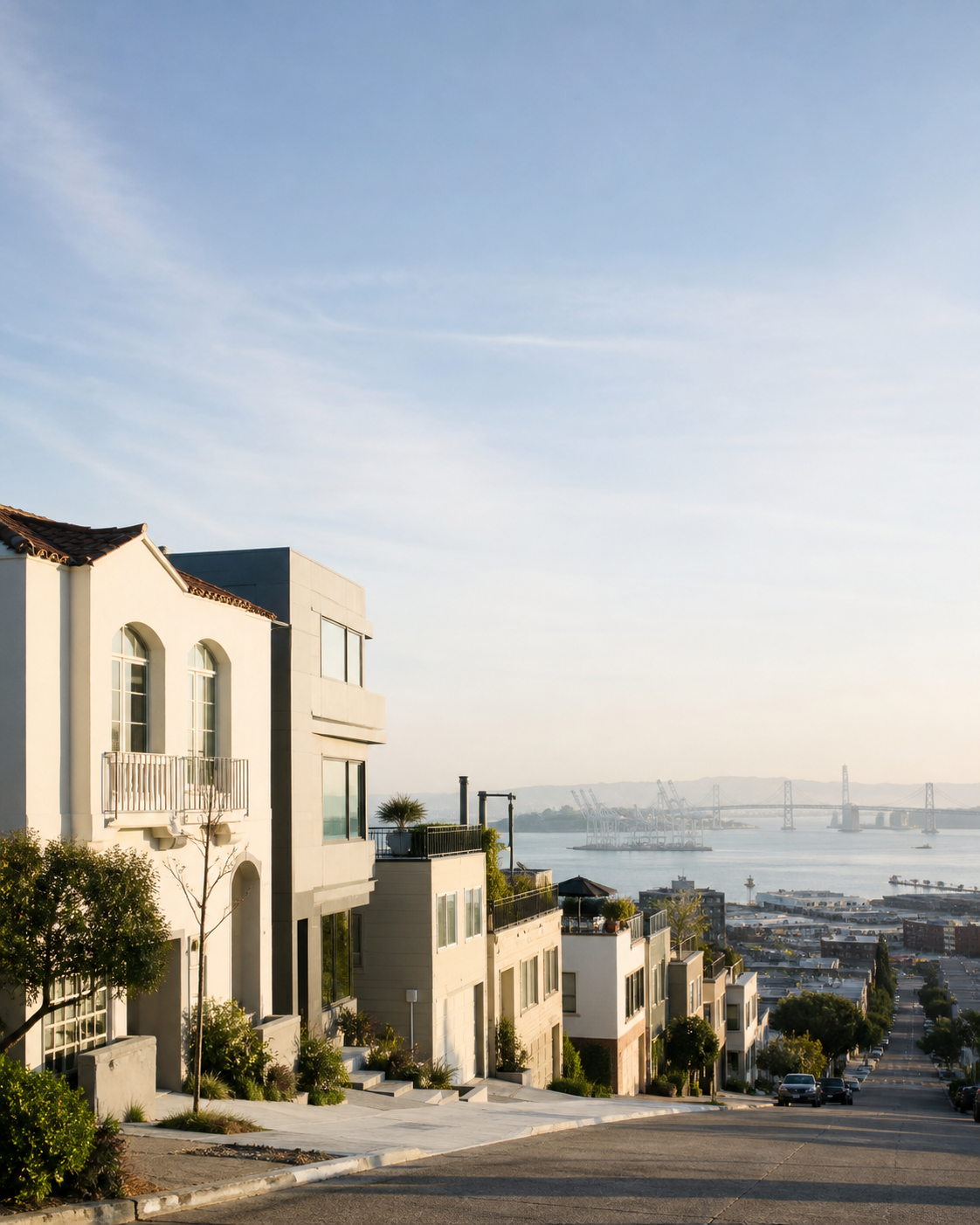
Potrero Hill
A hill of low-rise streets, long views east and south, and more sun than most of the city. Stock runs from cottages and Edwardian flats to contemporary infill, and the block you choose changes the view entirely.
Potrero Hill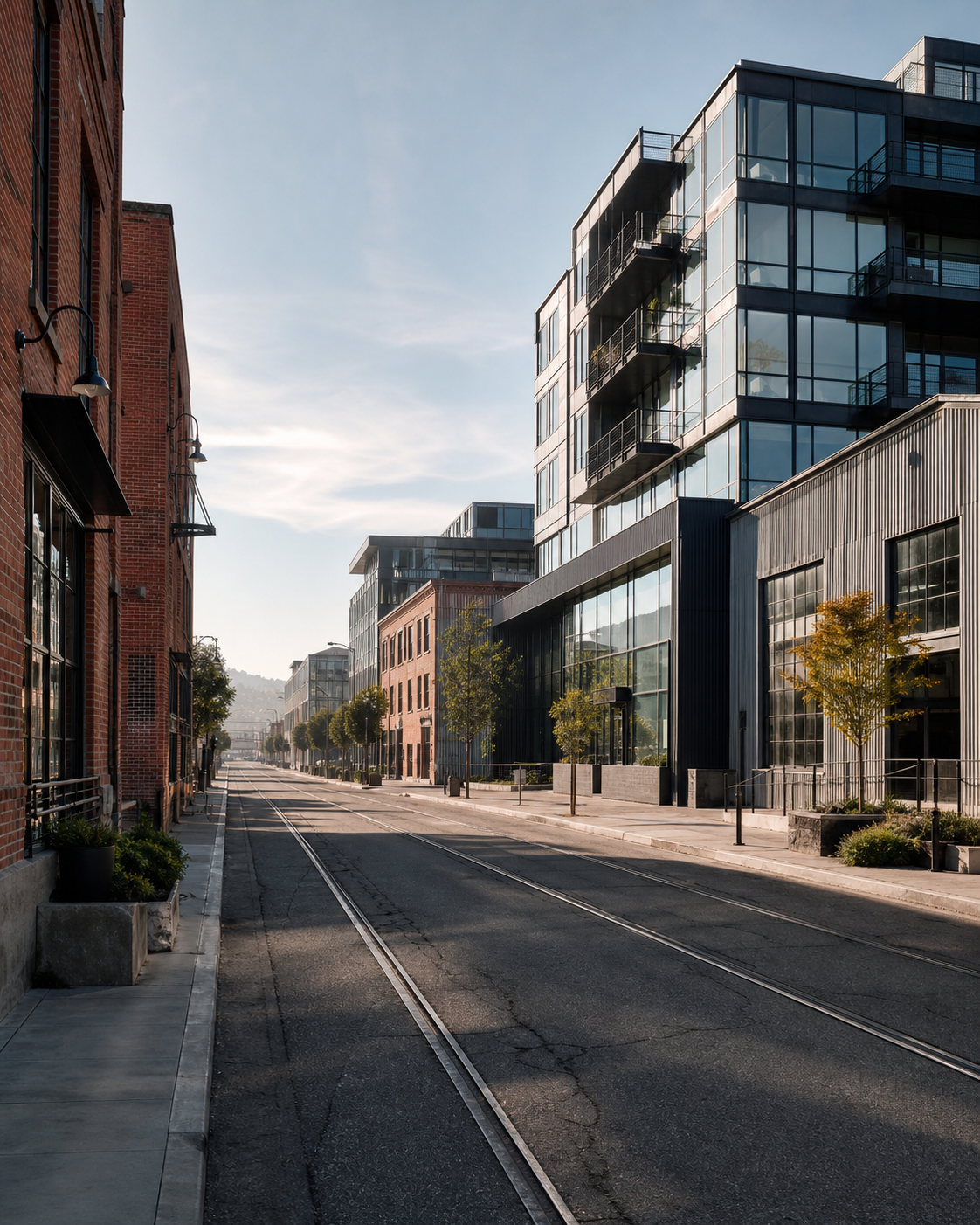
Dogpatch
Flat, walkable and built from the city's industrial frame. Converted warehouses and newer condominium buildings sit beside surviving workers' cottages, and most of what trades here is attached housing rather than single-family.
DogpatchOther areas served
Elsewhere in the city Ramon works regularly. These are service areas, not pages.
- Mission
- Noe Valley
- Bernal Heights
- Glen Park
- Hayes Valley
- Inner Sunset
- Richmond
- Cole Valley
- Castro
- South Beach
Buying in San Francisco
How a purchase actually runs here
The sequence below is the local one. It front-loads reading and inspection so that when a property is right, the offer is already informed.
-
Read the disclosure package before you write
Most San Francisco sellers publish a package in advance: the transfer disclosure, a natural hazard report, any reports they commissioned, and for a shared building, the governing documents. Reading it first is how you decide what a property is worth to you, rather than discovering the issue after you are in contract.
-
Understand the offer-date and pre-emptive dynamic
Many listings set a date on which offers are reviewed together. Some sellers will consider an earlier, pre-emptive offer before that date; others will not. Which applies is a question to ask the listing agent directly, and the answer changes how fast your review has to happen.
-
Weigh the seller's inspections against your own
Reports already in the package are useful, but they were ordered by the seller. Depending on the property and your tolerance, it can be worth bringing in your own inspector, a contractor for a bid on work you intend to do, or a specialist for something a general report flags but does not resolve.
-
Look closely at the building, not just the unit
For condominiums this means the HOA budget, reserves, minutes and any pending assessment. The city also has a stock of tenancy-in-common and similarly structured shared-ownership buildings, where owners hold an interest in the whole property under a written agreement rather than a separate deeded unit. These carry their own financing and governance considerations, and are worth reviewing with an attorney and a lender who work with them regularly.
-
Write terms that fit the particular seller
Price is one of several variables. Timing, deposit, contingency structure, rent-back and how cleanly the offer reads all matter, and what a given seller values is usually knowable by asking. The strongest offer is the one shaped to that answer, not the one with the most removed from it.
Selling in San Francisco
Preparing a property for a specific block
Selling here is a preparation exercise more than a listing exercise. Most of the outcome is decided before the property goes live.
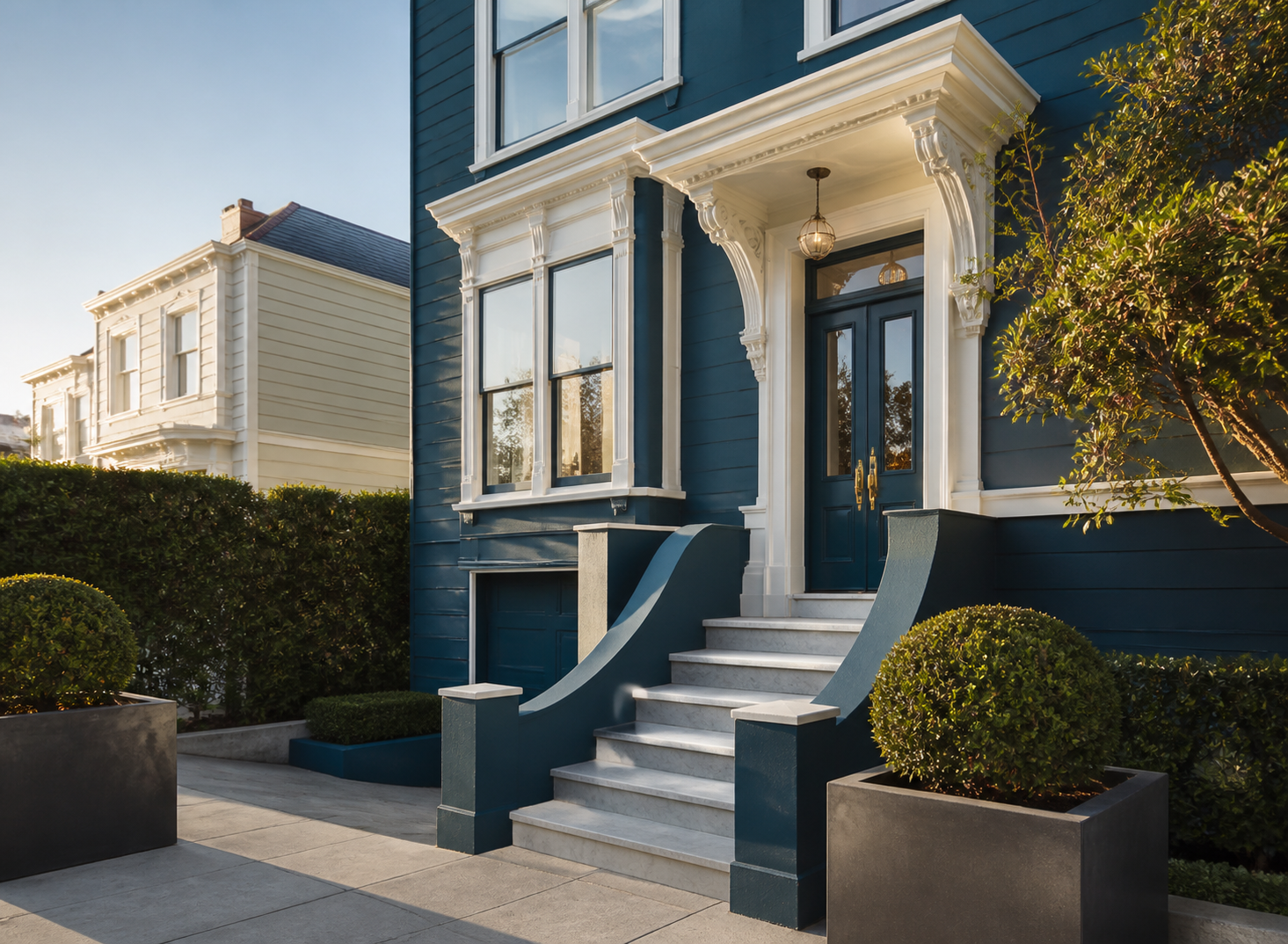
Preparation
We walk the property and separate the work that will be repaid from the work that will not. Usually that means paint, floors, light, landscaping at the entry, and clearing enough furniture for rooms to read at their real size. Repairs that a buyer's inspector would find anyway are often better addressed, or at least priced, in advance.
The disclosure package, assembled up front
Rather than waiting for a buyer to ask, we assemble the package before marketing: your disclosures, the reports we commission, and for a shared building the governing and financial documents. Buyers who can read everything early write cleaner offers, and fewer questions surface late.
Presentation and photography
Photography is scheduled for the light the property actually gets, which in this city varies street by street and hour by hour. Plans, a considered written description and a clear floor layout do as much work as the images, particularly for flats where the configuration is not obvious from a photograph.
Pricing against the block, not the city
City-wide figures are close to useless for a single property. We price against what has actually traded nearby in comparable condition, adjusting for the things that move value locally: light, level, parking, outdoor space and the scope of work a buyer will inherit.
Offer handling
We set out how offers will be reviewed and keep that consistent. When they arrive, each is read for its full shape rather than its headline number: the terms, the financing behind it, the timeline and how much of it is genuinely committed. Then we counter, or we accept.
The rest of the Bay Area from here
Where city searches often widen
Plenty of searches that begin in San Francisco end somewhere down the Peninsula or on the coast. These three come up most often, and each is worth seeing before you rule it out.
Burlingame
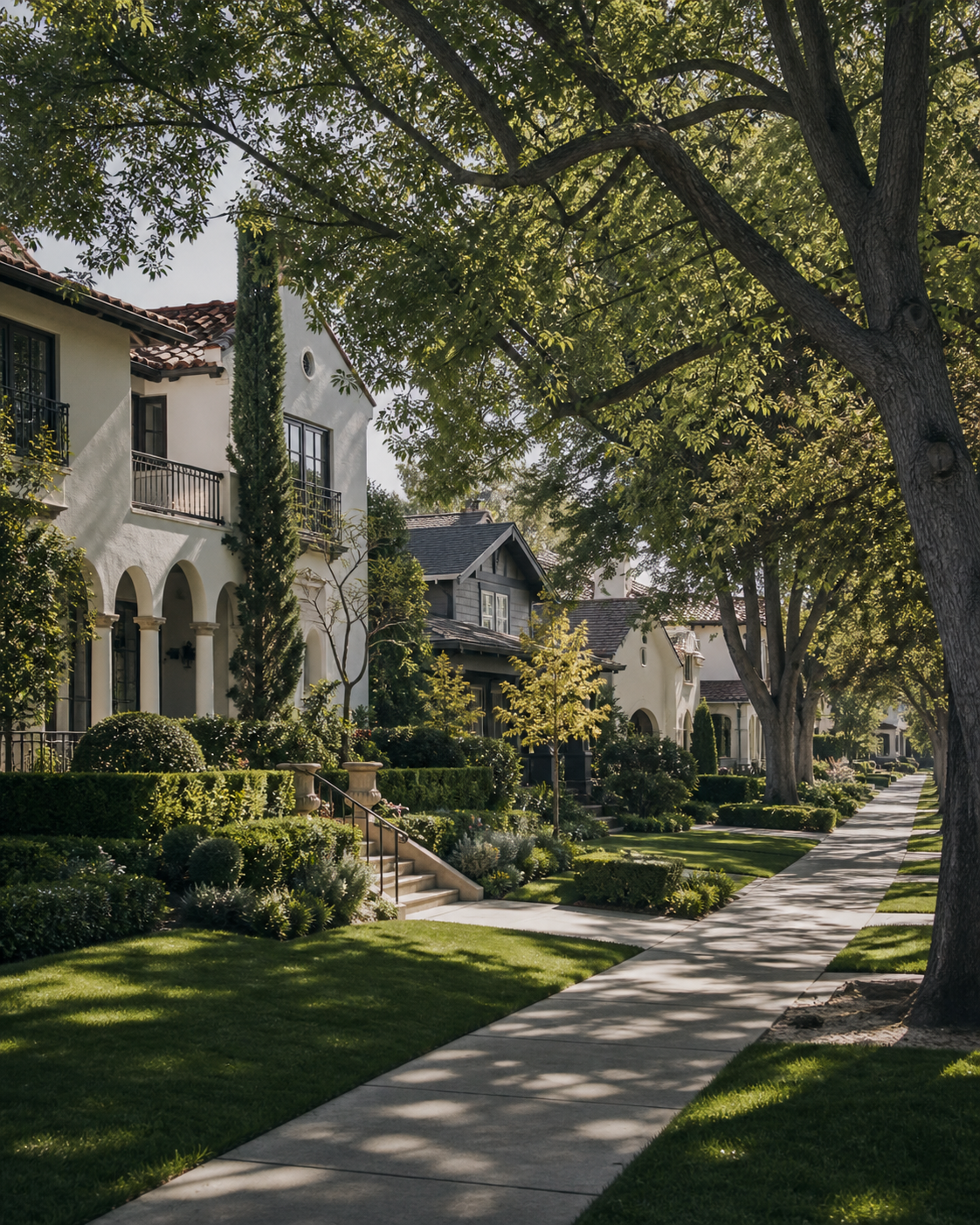
For buyers who want a walkable downtown and detached houses on real lots without giving up a short run back into the city.
Burlingame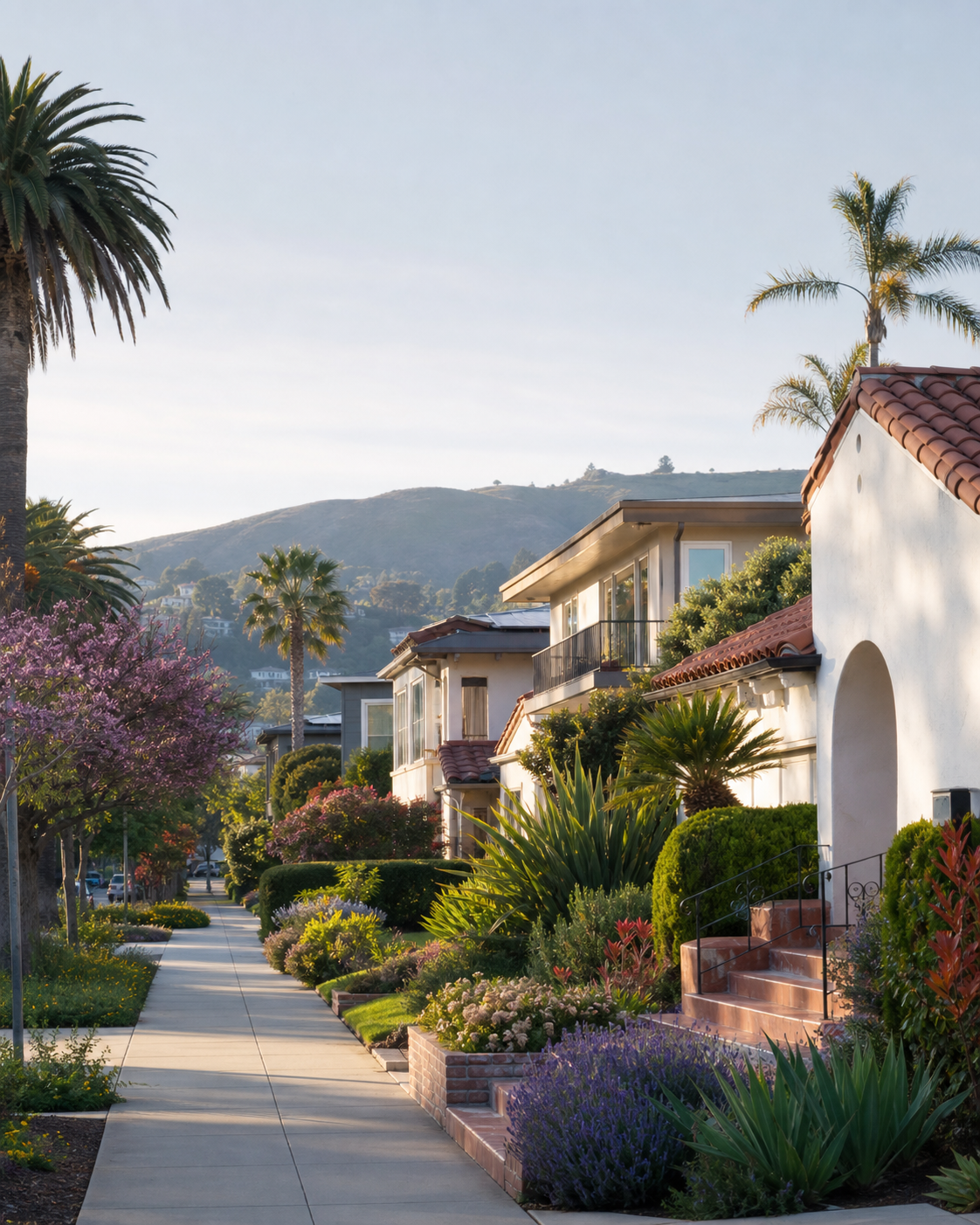
San Mateo
A wider range of housing types and price points than most of the Peninsula, which makes it the common landing place when a city budget needs more space.
San Mateo
Pacifica
The coastal option just over the hill. Buyers come here for ocean proximity and a different pace, and trade city density for a drive.
PacificaNext step
Thinking about San Francisco?
Whether you are early in a search or deciding what to do with a property you already own, the first conversation is about your situation, not a pitch.
Get in touchDirect
+1 (415) 697-0928 ramon@ramonestevez.comJ. Ramon Estevez · REAL · 301 Grove St, San Francisco, CA 94102