San Francisco Luxury Real Estate Guide
San Francisco luxury real estate is both an elevated lifestyle choice and a strategic asset defined by scarcity, architecture, and highly specific location advantages. High-net-worth buyers value landmark homes, bay and city views, private outdoor space, cultural access, and proximity to leading business and educational institutions. Unlike estate markets built around acreage, San Francisco rewards design quality, privacy, light, and walkable access to lifestyle anchors. This guide explains the city's luxury market context, leading luxury settings, buyer considerations, and long-term ownership factors.
San Francisco Luxury Real Estate Market Overview
- Luxury Threshold: San Francisco has no single official dollar amount that defines luxury. In practice, the category begins where a home's location, architecture, privacy, views, and condition place it above the broader market.
- Market Baseline: The postal-city area recorded a $1.48 million median sale price across 7,967 reported sales (Attom Data, as of 2026-07).
- Recent Momentum: The single-family median reached about $1.86 million in August 2026, up roughly 24% year over year, with about 85% of single-family sales closing above list price (MLS-reported sales).
- Inventory Profile: Luxury supply is concentrated in view homes, renovated historic residences, full-service condominiums, and architecturally distinctive properties rather than one uniform housing type.
- Marketing Pace: Luxury marketing time varies with pricing discipline, presentation quality, property condition, building services, and the rarity of a residence's features.
- Lifestyle Advantage: Bay access, established architecture, parks, dining, cultural institutions, and dense urban convenience distinguish San Francisco's luxury proposition.
San Francisco Luxury Real Estate by the Numbers
San Francisco luxury real estate is best evaluated through the individual property rather than a single citywide luxury statistic. The available sales record covers the broader postal-city area, so it provides market scale instead of luxury-only averages.
The reported median sale price was $1.48 million, the reported average sale price was approximately $1.88 million, and the highest reported sale reached $16.7 million (Attom Data, as of 2026-07). These figures show the breadth of the overall market, while luxury pricing depends on the home's address, views, condition, parking, outdoor space, and architectural significance.
More recent MLS-reported figures show the single-family segment tightening into late summer. At the end of August 2026, single-family inventory was down sharply from a year earlier and the median sale price stood at about $1.86 million. For luxury buyers, that means well-presented homes in the upper tier are drawing competition, and preparation on the buying side (financing, document review, and offer terms) matters as much as it does for sellers.
What Defines Luxury Real Estate in San Francisco
Luxury real estate in San Francisco is defined by irreplaceable location, architectural distinction, privacy, condition, and lifestyle utility rather than a universal dollar floor. A residence with protected bay views, an ocean-facing setting, a carefully restored historic interior, or a rare private garden can occupy the luxury tier even when its footprint is smaller than a comparable home elsewhere.
Buyers often expect thoughtful design, whether Victorian, Edwardian, Beaux-Arts, mid-century, or contemporary. Secure parking, elevator access, private outdoor space, high-quality kitchens, integrated lighting and climate systems, acoustic separation, security technology, and flexible work areas can materially affect demand. In a land-constrained city, landscaped gardens, terraces, roof decks, and durable view corridors can be particularly valuable.
San Francisco's luxury segment rewards proximity alongside square footage. Walkable access to cultural venues, dining, waterfront paths, private clubs, and commercial districts can be as important as lot size. The result is an architectural, neighborhood-led market with relatively few large estates but a deep selection of distinctive homes and luxury condominiums.
Premier Luxury Settings in San Francisco
San Francisco's luxury market offers distinct choices for buyers seeking heritage, views, service, or modern design.
Historic View Homes
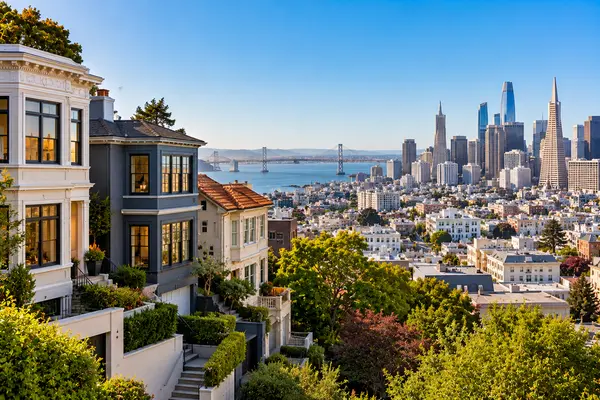
The city's historic hillside districts are known for grand period homes, refined streetscapes, and prominent views toward the bay. Luxury residences in these settings can include restored Victorian and Edwardian properties, renovated single-family homes, and gracious flats. They suit families and legacy buyers who value architecture, privacy, and a prestigious residential setting, though block-level analysis matters because outlook, parking, and street access vary significantly.
Full-Service Condominium Residences
Full-service buildings offer doormen, concierge services, secure parking, and amenity spaces, with value shaped heavily by floor level, view orientation, and building governance. This format fits buyers who prefer classic city living, a lock-and-leave lifestyle, or a pied-à-terre, and who want professional building services over detached-home scale.
Potrero Hill
Potrero Hill offers a house-oriented luxury option on San Francisco's east side, with sunny hillside streets, city and bay outlooks, and a lower-scale residential feel close to the city's employment districts. Upper-tier homes here are valued for light, privacy, parking, and usable outdoor space. Buyers drawn to that profile can explore the hill's residential character in more detail.
Central Waterfront/Dogpatch
Central Waterfront/Dogpatch provides a more contemporary luxury option, with converted industrial spaces, modern condominiums, waterfront-adjacent settings, and design-forward retail and dining. It can suit buyers who favor newer construction, loft-like volume, and a less traditional residential experience. A look at current lofts and condominiums in Dogpatch shows the range of formats available.
Luxury Setting Comparison
Luxury buyers should match their preferred property format and daily lifestyle with each setting's defining character.
| Setting | Price Range | Avg. Price per Sq Ft | Home Type | Defining Amenity or Character | Best Suited For |
|---|---|---|---|---|---|
| Historic view homes | Upper-tier, property-specific | Varies by views and condition | Period homes and refined residences | Landmark architecture and bay views | Families and legacy buyers |
| Full-service condominiums | Upper-tier, property-specific | Varies by floor level and service | Full-service apartments | Building services and lock-and-leave living | Executives and pied-à-terre buyers |
| Potrero Hill | Upper-tier, property-specific | Varies by outlook and site utility | Hillside homes and renovated residences | Light, views, and house-oriented living | Buyers seeking privacy close to central employment |
| Central Waterfront/Dogpatch | Upper-tier, property-specific | Varies by new construction and finish | Lofts and contemporary condominiums | Modern design and creative energy | Design-focused buyers and investors |
Why High-Net-Worth Buyers Choose San Francisco
High-net-worth buyers choose San Francisco because it concentrates business access, cultural depth, waterfront recreation, and differentiated residential settings within a compact urban geography. Major employers in technology, finance, health care, professional services, and higher education support a broad ecosystem of executives, founders, investors, and globally connected professionals. Salesforce, UCSF, financial institutions, and private investment firms contribute to the city's enduring demand for well-located homes.
The lifestyle case is equally compelling. San Francisco International Airport supports international travel, while the bay, marinas, museums, performing arts, restaurants, parks, and professional sports create a daily experience that is difficult to replicate in lower-density markets.
The tradeoff is that parking, privacy, outdoor space, and building services require careful property-level evaluation. For buyers arriving from elsewhere, relocation guidance on commutes, microclimates, and neighborhood differences can shorten the learning curve before committing to an address.
Luxury Real Estate as an Investment in San Francisco
San Francisco luxury real estate can be a compelling long-horizon asset when buyers focus on durable property advantages rather than broad market timing. Built-out geography, limited developable land, historic housing stock, and a multi-step planning environment can constrain supply. Larger projects may require planning approval, staff review, and public hearings in addition to building permits through the San Francisco Planning Department.
Recent monthly median prices in the broader postal-city market moved from $1.41 million in February 2026 to $1.65 million in June 2026, after reaching $1.75 million in May (Attom Data, as of 2026-07). Those changes illustrate that monthly pricing can move materially, even within a premium market.
Holding and exit costs deserve as much attention as the purchase price:
| Cost Factor | 2026 Figure | Why It Matters for Luxury Buyers |
|---|---|---|
| Secured property tax rate | 1.18162182% of assessed value, fiscal year 2026-27 | A purchase is generally reassessed at the sale price, so the first full tax bill reflects the new value |
| Transfer tax, $5 million to under $10 million | 2.25% of the full price | Applies at resale and is typically paid by the seller |
| Transfer tax, $10 million to under $25 million | 5.5% of the full price | A sale just over a tier boundary pays the higher rate on the entire price |
| Transfer tax, $25 million and above | 6.0% of the full price | Relevant for the city's highest-value properties |
| Conforming loan limit, one unit | $1,249,125 in San Francisco County | Loan amounts above this generally require jumbo financing |
Sources: San Francisco Treasurer & Tax Collector; City and County of San Francisco transfer-tax schedule; 2026 federal conforming loan limits.
The investment case is generally strongest for homes with lasting differentiators, including exceptional outlooks, superior layouts, usable outdoor space, architectural significance, or a highly established address. Buyers should also assess carrying costs, building rules, insurance, rental regulations, privacy, and future view exposure. A full-service condominium, historic single-family residence, and new-construction unit can each have different resale and leasing dynamics. Owners who later sell will face many of the same decisions covered in this San Francisco seller's guide, which is worth understanding before you buy.
Pro Tip: Review a property's building rules, privacy profile, and future view exposure before proceeding. In dense San Francisco settings, these details can influence both daily enjoyment and long-term resale appeal.
Find Your Luxury Home in San Francisco
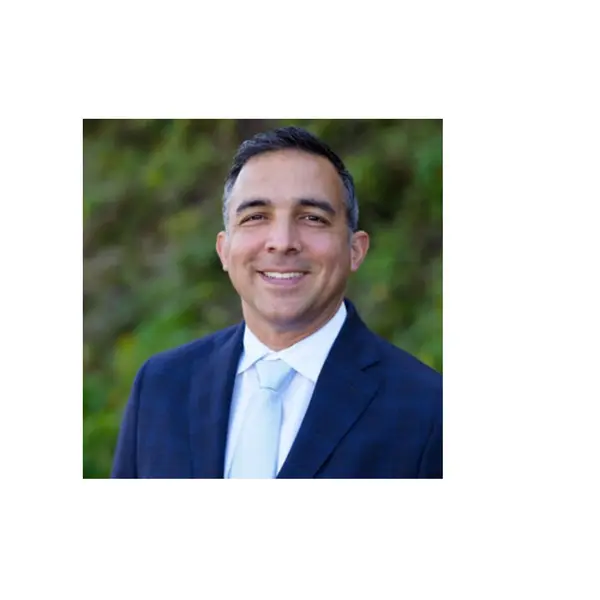
J. Ramon Estevez is a licensed REALTOR® with Real Brokerage who represents luxury buyers and sellers across San Francisco directly, rather than handing clients off to a team. He helps buyers evaluate exceptional homes through current comparable data, discreet outreach when the right property is not publicly listed, and carefully structured negotiations, including options in Central Waterfront/Dogpatch and Potrero Hill. For a confidential consultation, call or text (415) 697-0928, email ramon@ramonestevez.com, or start a conversation here. More on his approach to luxury representation is available on the site.
Frequently Asked Questions: San Francisco Luxury Real Estate
What is the entry price for luxury homes in San Francisco?
San Francisco does not use one official luxury-home cutoff. The broader postal-city market recorded a $1.48 million median sale price as of July 2026, and the single-family median reached about $1.86 million in August 2026. Luxury status is more often determined by location, views, architecture, privacy, condition, and service level than by a single price point.
Where are San Francisco's most expensive homes?
The city's highest prices tend to concentrate in historic view-home districts, top-floor residences in full-service buildings, and architecturally significant properties with protected outlooks. Potrero Hill offers a house-oriented luxury option with light and views, while Central Waterfront/Dogpatch provides a more contemporary choice for buyers seeking modern design and loft-style space.
Is San Francisco luxury real estate a good investment right now?
For long-horizon buyers, San Francisco luxury property can be compelling when a home has durable location and design advantages. The broader postal-city median moved from $1.41 million in February 2026 to $1.65 million in June 2026, but property-specific factors, carrying costs, transfer tax at resale, and future buyer appeal remain central to investment outcomes.
How long do luxury homes in San Francisco typically sit on the market?
Luxury-market timing varies by pricing, presentation, building type, and the rarity of a residence's features. Well-positioned homes can attract attention quickly, while highly customized properties or homes without precise pricing may require a longer marketing period.
What should out-of-state or international buyers know before purchasing luxury property in San Francisco?
Out-of-state and international buyers should evaluate building governance, parking, insurance, property taxes, privacy, and the microclimate at a specific address. The secured property tax rate for fiscal year 2026-27 is 1.18162182% of assessed value, and loan amounts above $1,249,125 generally require jumbo financing. Buyers should also assess view exposure, surrounding development context, and practical access to preferred business, travel, and lifestyle anchors.